Skip to content
Asset HausAsset Haus
Lending · SAFE, SAFT, SPV

Liquidity for SAFEs, SAFTs and pre-IPO SPV interests.

Founders, early investors and funds often hold positions worth a lot that cannot be sold yet. A secured loan turns part of that value into cash for 6 to 24 months, while you keep the position and its upside.
Loan size
$250k–$10m
Loan-to-value
Up to 50%
Indicative rate
From 10% a year
Term
6–24 months

Indicative terms, set for each loan after valuation. Not an offer of credit.

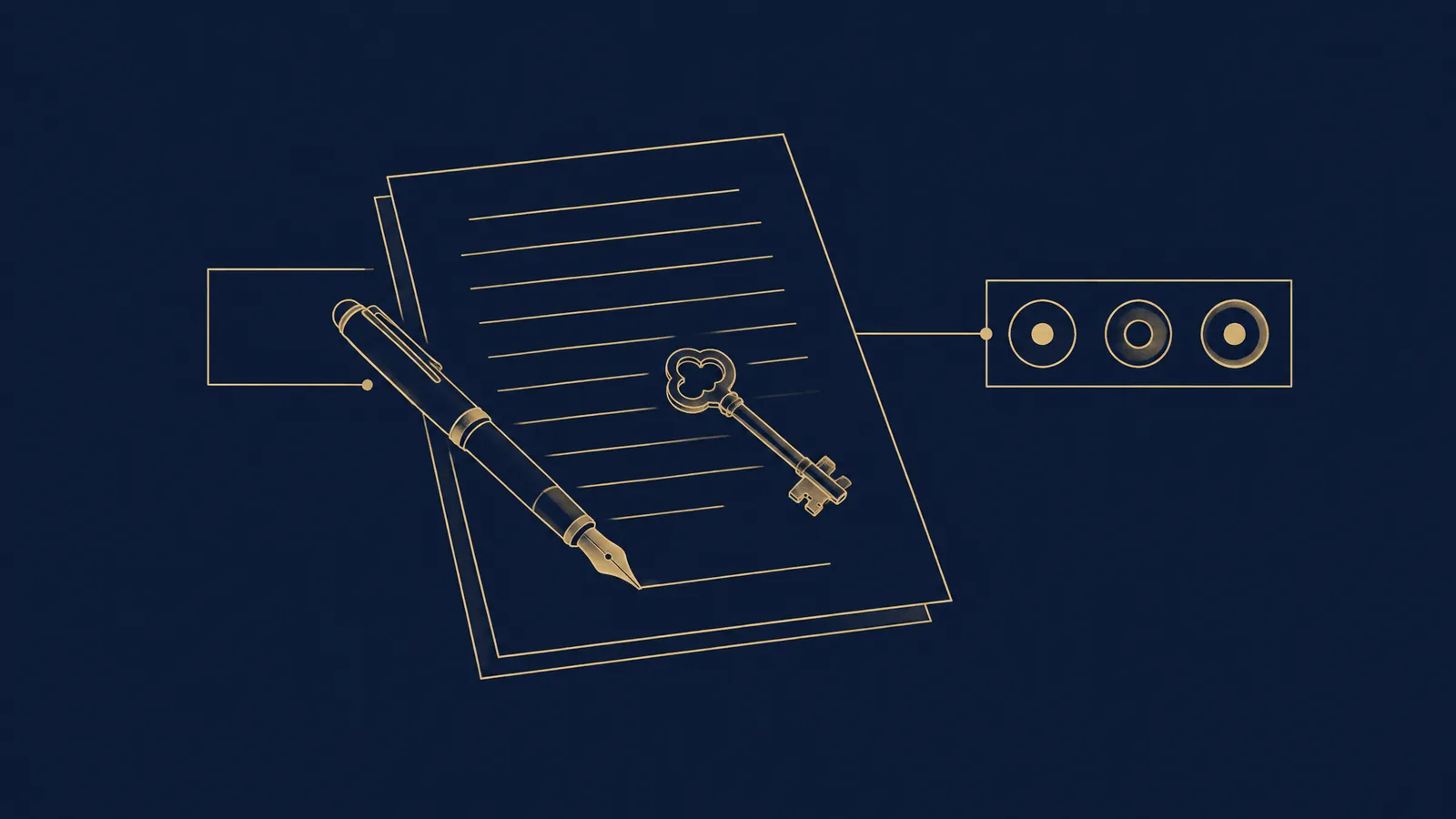
Line drawing of a signed agreement, a key and a row of tokens held inside a frame

SAFE, SAFT and SPV loans

A loan against a SAFE, a SAFT or an SPV interest is a secured loan where you pledge a private-market position you cannot sell yet. The lender advances a fraction of its value, holds the pledge until you repay, and can sell the position only if the loan is not repaid. You keep any gain in value.

Instrument by instrument

What you hold, and how it is pledged.

SAFE

Simple Agreement for Future Equity

up to 25% loan-to-value

What it is
You paid a company now for shares it will issue at its next priced round, usually at a valuation cap or a discount. Until then you hold a contract, not shares.
How it is pledged
Most SAFEs cannot be transferred or assigned without the company's written consent, so the company agrees to the pledge first. The pledge extends to the shares the SAFE converts into.
What sets the loan
The valuation cap against recent rounds, the discount, the company's stage and runway, and how likely a priced round is within the loan term.

SAFT

Simple Agreement for Future Tokens

up to 25% loan-to-value

What it is
You paid a project now for tokens it will deliver when its network or token launches. Until the launch you hold a right to tokens, often with a lock-up after delivery.
How it is pledged
The pledge covers your rights under the SAFT, and the tokens are delivered at launch into an escrow or custody wallet the lender controls until the loan is repaid.
What sets the loan
The price of the last token round, the launch timeline, the unlock schedule after launch, and how deep the market for the token is likely to be.

Locked and vesting tokens

Tokens you own but cannot sell yet

up to 25% loan-to-value

What it is
Tokens already delivered but held in a vesting contract or a lock-up, released on a schedule.
How it is pledged
The tokens stay in their vesting contract or move to custody; as they unlock, they go to an escrow wallet the lender controls instead of your own.
What sets the loan
The market price, daily trading volume, the unlock schedule and how much of the supply unlocks at the same time.

Pre-IPO SPV units

Interests in an SPV that holds private-company shares

up to 35% loan-to-value

What it is
You own units in a vehicle that holds shares in a late-stage company; the SPV, not you, is on the company's cap table.
How it is pledged
The SPV manager consents to the pledge under the SPV agreement, and the pledge is recorded on the SPV register, or as a lock on a tokenized register.
What sets the loan
The company's last priced round and its trading on secondary markets, the share class, the expected time to an IPO or sale, and any lock-up after listing.

Tokenized fund units and real-asset tokens

Units or tokens with a regular valuation

up to 50% loan-to-value

What it is
Units of a fund, or tokens backed by real estate, credit or infrastructure, recorded on a tokenized register.
How it is pledged
The pledge is recorded on the register (an on-chain lock or a registrar flag), so the units cannot be transferred while the loan is open.
What sets the loan
The administrator's or appraiser's latest valuation, the redemption policy, and the quality and diversification of the underlying assets.

How much

Indicative maximum loan-to-value.

The harder a position is to value and to sell, the lower the share of its value a lender advances.
  • Tokenized fund units and real-asset tokens

    up to 50% loan-to-value

    Regular valuation by an administrator or appraiser

  • Pre-IPO SPV units

    up to 35% loan-to-value

    Late-stage company, recent priced round

  • SAFEs

    up to 25% loan-to-value

    Reputable lead investor, recent valuation cap

  • SAFTs and locked tokens

    up to 25% loan-to-value

    Known unlock schedule; tokens escrowed at launch

Loan Collateral valueIndicative maximums at origination; the lender sets each loan after valuation.

Steps

How a pledge-backed loan is put in place.

  1. 01

    Documents

    The SAFE, SAFT, SPV agreement or token terms, proof that you hold it, and the latest valuation.

  2. 02

    Consent

    The company, issuer or SPV manager agrees to the pledge where the documents require it.

  3. 03

    Term sheet

    Amount, rate, term, margin rules and every cost, within five business days of the documents.

  4. 04

    Pledge and funding

    The pledge is recorded on the register or the position goes into escrow; then the money goes out.

  5. 05

    Repay and release

    Repay at maturity, at an exit or early after three months; the pledge is released the same day.

Loan or sale

Borrow, sell on the secondary market, or wait?

QuestionSecured loanSecondary saleWait for the exit
Cash nowYes, part of the valueYes, the sale priceNo
Keep the upsideYesNoYes
CostInterest and feesOften a discount to the last roundNone
Needs consentUsually, for the pledgeUsually, for the transferNo
Main riskMargin calls if the value fallsSelling too earlyNo liquidity for years

Before you borrow

What lenders check, and what to prepare.

What lenders check

  • That you own the position, with no earlier pledge on it
  • Transfer and pledge restrictions, and who must consent
  • The latest priced round, token round or valuation, and how it compares with the market
  • When the position is likely to become liquid: a round, a launch, an unlock, an IPO
  • How the lender could sell it if the loan is not repaid
  • Your identity and, for companies and funds, their owners

Documents to prepare

  • The SAFE, SAFT, SPV agreement or token terms
  • Proof of holding: a register extract, SPV statement or wallet address
  • The latest funding-round or valuation documents
  • The cap table extract or token unlock schedule, where you have it
  • Any notices from the company, issuer or manager about transfers

Risks

What borrowers should weigh.

  • If the value falls, you may need to add collateral or repay part of the loan at short notice.
  • If you cannot repay, the lender can sell the position, possibly below what you think it is worth.
  • A conversion, a launch or an IPO can be delayed beyond the loan term.
  • Consent can take time, and some companies or issuers refuse pledges.
  • Tax treatment depends on your jurisdiction; get advice before borrowing.

Indicative terms

The terms in one table.

Loan size
$250,000 to $10,000,000
Loan-to-value
Up to 50% for tokenized fund units and real-asset tokens; up to 35% for pre-IPO SPV units; up to 25% for SAFEs, SAFTs and locked tokens
Indicative rate
10% to 15% a year, fixed for the termSet by the collateral, the loan-to-value and the term.
Term
6 to 24 months; interest paid monthly or added to the loan
Arrangement fee
1% to 2% of the loan, once
Early repayment
Repay at any time after the first three months
Collateral control
A pledge recorded on the register, custody or escrow; issuer or manager consent where the documents require it
Valuation
Reviewed at least quarterly; a top-up or part-repayment is agreed if the loan-to-value rises by more than 15 points
Response
First reply within one business day; an indicative term sheet within five business days of the collateral documents

Financing is provided by the fund or lending partner named in your term sheet, which makes its own credit decision. Asset Haus runs the platform, checks applications and coordinates documents; it is not the lender of record.

Reviewed . Indicative terms, not an offer of credit.

Questions

Asked by founders, investors and token holders.

Can I borrow against a SAFE?

Yes, if the company consents to the pledge, which most SAFE agreements require. The loan-to-value is lower than for shares, indicatively up to 25%, because the conversion price and timing are not known yet.

What happens to the loan when my SAFE converts into shares?

The pledge carries over to the shares the SAFE converts into, and the loan continues on its terms. Conversion often makes the collateral easier to value.

What happens to a SAFT loan at the token launch?

The tokens are delivered into an escrow or custody wallet the lender controls, instead of your own. From then on they are valued at the market price, with a discount for any lock-up.

Do I need the consent of the company or the SPV manager?

Usually yes. SAFEs, SAFTs and SPV agreements normally restrict transfers and pledges. Getting consent is part of the process, and we help you ask for it.

Is a loan better than selling on the secondary market?

A loan keeps your upside and avoids selling at a discount, but costs interest and must be repaid. A sale gives final cash and no debt. If you expect the position to grow by more than the cost of the loan, borrowing can make sense.

Is borrowing against a position a sale for tax purposes?

In many jurisdictions a loan is not a sale, so it may not trigger a tax on gains, but this depends on where you live and how the position is held. Get tax advice before you borrow.

What if the value falls?

Valuations are reviewed at least quarterly. If the loan-to-value rises by more than 15 points, you add collateral or repay part of the loan. If the loan is not repaid, the lender can sell the collateral under the agreement.

Who is the lender?

Financing is provided by the fund or lending partner named in your term sheet, which makes its own credit decision. Asset Haus runs the platform, checks applications and coordinates documents; it is not the lender of record.

Financing is provided by the fund or lending partner named in your term sheet, which makes its own credit decision. Asset Haus runs the platform, checks applications and coordinates documents; it is not the lender of record.

This page explains common practice in general terms and is not legal, tax or investment advice. Loans are for professional and business borrowers only; terms are indicative and depend on the lender's review of the position, the borrower and the documents.

Hold a SAFE, a SAFT or SPV units?

Tell us what you hold and what you need. A first reply within one business day.
Request a loan